Croatia has quietly become one of Europe's loveliest places to take a yoga retreat — a coastline of pine-covered islands, warm Adriatic water, slow stone villages and food worth flying for. This guide walks you through where to go, when, what to expect, what it costs, and how to choose a retreat that's genuinely right for you.
Why Croatia for a yoga retreat?
A few things make it special. The Adriatic is calm, clear and swimmable from late spring to mid-autumn. The islands are small and unhurried, so a retreat feels private rather than packed. Flights from most of Europe are short, which keeps both the journey and the carbon footprint down. And the food — local olive oil, vegetables, fish and wine — turns communal meals into a highlight rather than an afterthought.
It's also genuinely good value compared with better-known Mediterranean retreat destinations, without feeling any less beautiful.
Where to go: the best regions and islands
There's no single "best" spot — it depends on the feeling you're after.
The Dalmatian islands — Brač, Hvar, Korčula, Vis
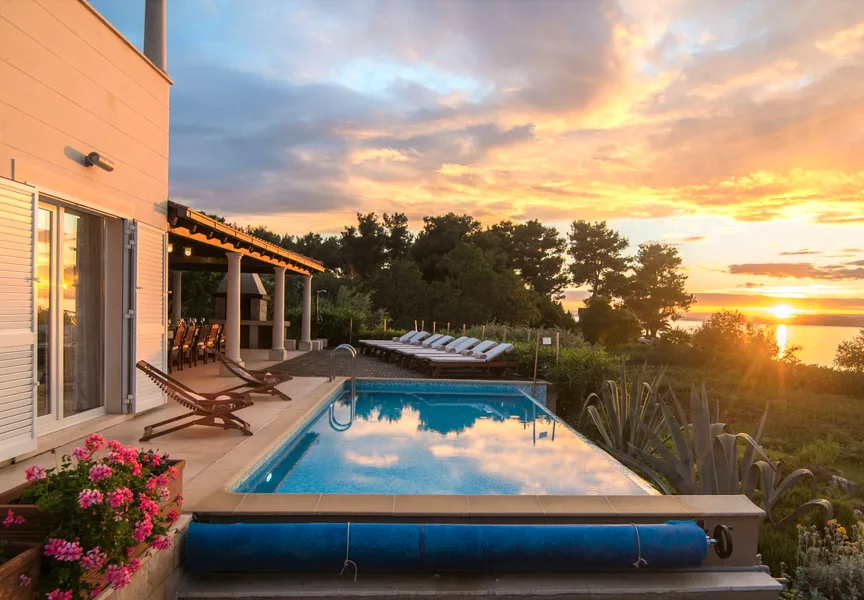
This is the classic island-retreat Croatia: beaches, sea swims, olive groves and stone towns. Brač is home to the famous Zlatni Rat beach and the Vidova Gora summit; Hvar adds lavender fields and a lively old town; Korčula and Vis are quieter and more remote. Ideal if you want to wake up, practice, and walk straight into the sea.
Istria
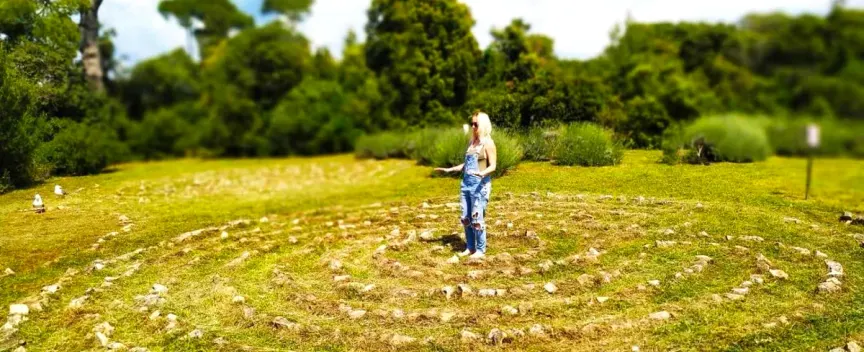
The peninsula in the north feels almost Tuscan — hilltop towns like Motovun and Grožnjan, truffles, vineyards and red-earth countryside, with the coast never far. Easy to reach from Italy, and a good choice if you like a mix of yoga, food and gentle exploring.
The Dubrovnik region & the south
Pairs the coast with history — the walled city of Dubrovnik, the Pelješac peninsula's wineries, and the calm islands of Lopud and Mljet. A scenic option if you'd like to add a few days of sightseeing either side of your retreat.
Inland — Plitvice and the mountains
For something greener and cooler, inland Croatia offers waterfalls, lakes and forest. Often combined with an island for a "two-landscape" retreat.
When to go: the best time of year
The sweet spots are late spring (May–June) and early autumn (September–October). The sea is warm enough to swim, the light is beautiful, and the islands are calm. July and August are hot and busier — wonderful if you love high summer, less so if you want quiet. Retreats run right through this window, with the shoulder seasons being the most relaxed.
Traveling in shoulder season isn't just calmer — it's usually kinder to the planet and your wallet, with cheaper flights and fewer crowds at the same gorgeous venues.
What's included, and what a typical day looks like
On a well-organized retreat, most of the thinking is done for you. A typical package includes:
- Accommodation, often a villa with a pool and sea views
- Daily yoga — usually a morning and an evening session
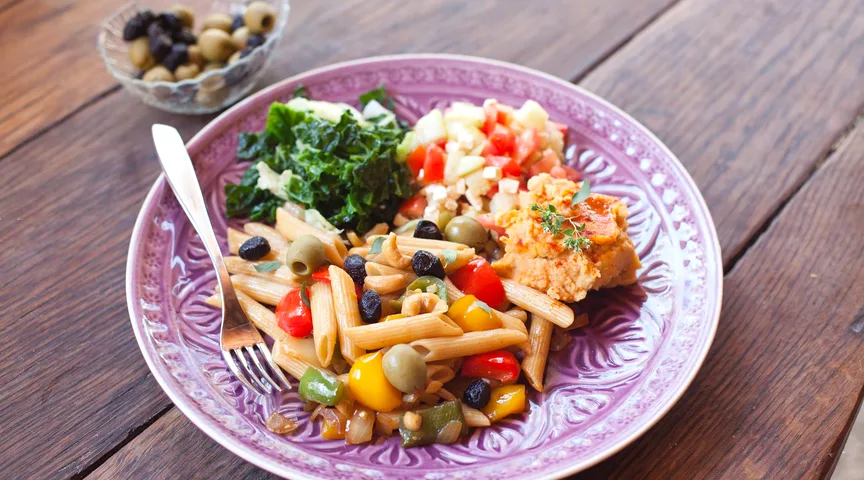
- Meals prepared by a private chef, with dietary needs catered for
- A few guided excursions (an island hike, a boat trip, a town visit)
- Airport and ferry transfers
The rhythm is gentle: morning practice, a long breakfast, time to swim or explore, an afternoon activity or rest, an evening session as the sun drops, then a shared dinner on the terrace. The point is to arrive and let the week carry you.
What a yoga retreat in Croatia costs
As a rough guide, most week-long retreats fall between €1,300 and €2,800 per person. The main factors are the venue (a luxury island villa costs more than a simple guesthouse), the location, your room type (sharing lowers the price per person), and exactly what's included. Always check whether flights, all meals, and excursions are part of the price or extra.
How to choose the right retreat — an honest checklist
- The teacher. Their style (gentle, dynamic, meditative) and experience matter more than anything. Read their bio; many retreats list it.
- Who it's for. All levels, beginner-friendly, or advanced? Make sure it matches you.
- Group size and rooms. Small groups feel more personal. Check single, double and shared options.
- What's actually included. Meals, excursions, transfers, equipment — get the full list.
- The organizer. A licensed travel agency acting as organizer of record means your booking and money are protected — worth confirming.
- Sustainability. The most responsible operators can tell you the real environmental cost of your trip, not just call it "eco-friendly."
Traveling a little lighter
A retreat should leave the place as lovely as you found it. We measure the carbon footprint of every trip — travel, transport, accommodation, meals and guide — as a real number in kg CO₂e per person, and show exactly how we calculate it. If that side of travel matters to you, see how we calculate your retreat's footprint.
Join a retreat — or create your own
If you'd like to simply turn up and practice, browse our upcoming retreats in Croatia and beyond. If you're a yoga teacher who wants to run your own retreat without the logistics, we organize the whole thing for you — see Create Your Retreat. Either way, you can read more about who we are.
Frequently asked questions
When is the best time for a yoga retreat in Croatia?
Late spring (May–June) and early autumn (September–October) are ideal — warm sea, sunny days, and far fewer crowds than peak summer. July and August are hot and busy.
How much does a yoga retreat in Croatia cost?
Most week-long retreats fall between roughly €1,300 and €2,800 per person, depending on the venue, location, room type and what's included.
Do I need to be experienced at yoga?
No — most retreats welcome all levels, and teachers adapt sessions so beginners and experienced practitioners can practice side by side.
Which part of Croatia is best for a retreat?
The Dalmatian islands (Brač, Hvar, Korčula, Vis) for beaches and sea swims; Istria for hilltop towns and food; the Dubrovnik region to pair coast with history. It depends on the vibe you want.
Are meals included?
On most organized retreats, yes — usually a private chef prepares breakfast plus lunch or dinner with local ingredients, and dietary needs are catered for with notice. Always confirm which meals are included before booking.